

Operational Excellence as the Foundation of Business Growth
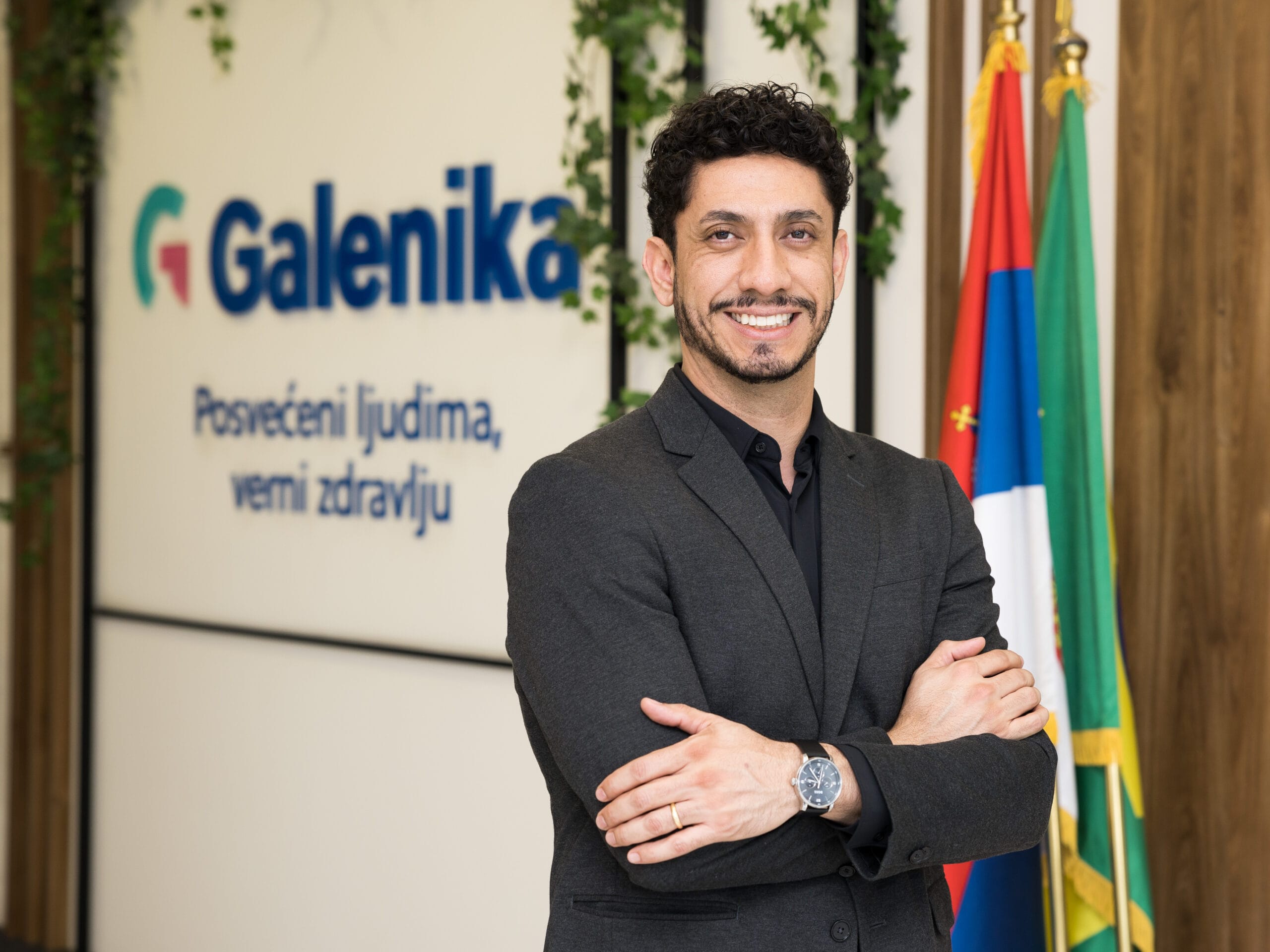
With more than two decades of experience in pharmaceutical operations, including leadership roles at leading pharmaceutical company EMS from Brazil, Pedro Campos today leads pharmaceutical company Galenika’s entire operational segment. As Executive Director of Operations, he is responsible for production, quality, supply chain, procurement, and the development of high-performing teams. In this interview, Mr. Campos speaks about global and industry-specific trends in operations management, shares professional insights from his international career, and outlines Galenika’s ambitious five-year development plan aimed at strengthening efficiency and competitiveness in regional and European markets.
To begin, how would you define operations management, and why is it especially important in the pharmaceutical industry?
Operations management is one of the backbones of any business. In pharmaceutical industry, it ensures that processes, resources, and people are aligned to deliver products of consistent quality, on time, and in compliance with strict regulatory frameworks. It is about orchestrating production, supply chain, quality control, maintenance, and procurement in a way that guarantees efficiency, safety, and reliability — ultimately safeguarding patients’ health and supporting the sustainable growth of the company.
What are the most significant global trends in operations management today?
Globally, operations management is shaped by digital transformation, automation, and data-driven decision-making. Companies are increasingly adopting technologies that improve traceability, efficiency, and compliance. Lean methodologies and sustainability are also strong trends — organizations seek not only to maximize productivity but also to minimize waste, reduce negative environmental impact, and create long-term value. The integration of artificial intelligence, predictive analytics, and advanced quality systems is becoming standard.
Are there specific trends in pharmaceutical operations management that distinguish the sector from others?
Yes. In our industry, compliance with regulatory standards is non-negotiable. Automation in packaging, electronic batch records, and integrated quality control systems are increasingly important to meet market and regulatory demands. Another trend is the continuous strengthening of supply chain resilience, which became particularly evident after the pandemic. In addition, investments in new technologies must always be balanced with patient safety, which remains the core priority.
Before Galenika, you served as Operations Director at EMS in Brazil. How has that experience shaped your perspective?
EMS is the leading pharmaceutical companies in Brazil and one of the leading Latin America, and working there gave me the opportunity to manage large-scale business operations in a very competitive environment. I learned the importance of developing strong teams, implementing governance strategies, and ensuring process efficiency at every step. The scale of operations and the regulatory demands required a constant focus on excellence and innovation. These experiences are highly relevant for my work at Galenika.
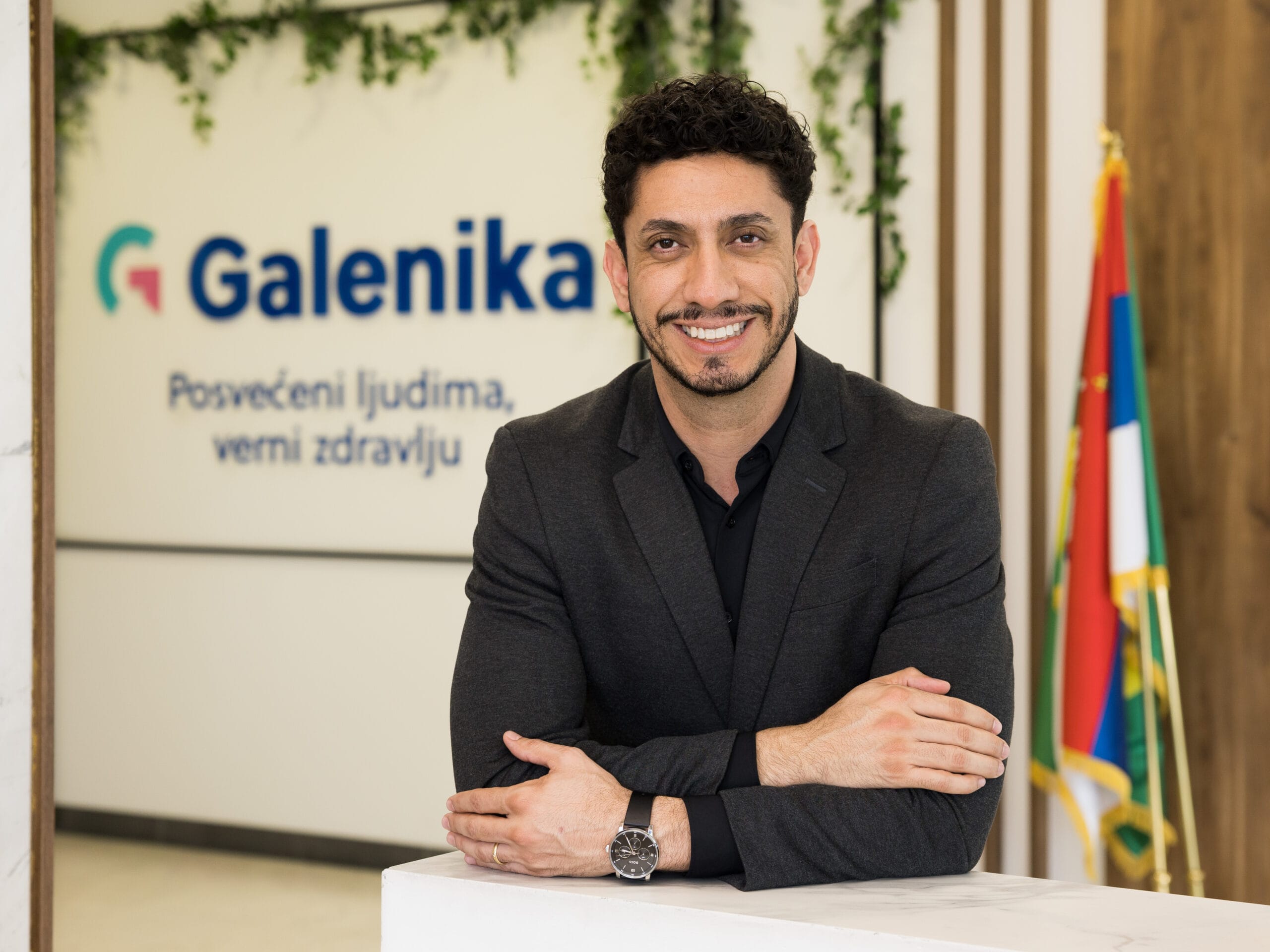
What are your main responsibilities today as Executive Director of Operations at Galenika?
My role is comprehensive. I am responsible for managing the site and controlling all operations, which include production, quality assurance, quality control, maintenance, supply chain, procurement, and people management. I ensure that regulatory requirements and corporate governance strategies are respected, while also working on productivity, profitability, and the sustainable growth of the business. It is also my duty to design and execute strategic plans that align operations with Galenika’s long-term objectives, delivering value to shareholders, customers, and patients.
Galenika plans significant investments in operations. Could you outline the key projects?
Certainly. Over the next five years, we have large-scale investment-plan in operations. In our 3 factories, we plan to introduce new machines and software for the feeding system, a modern packaging line, as well as new dry granulation and tableting machines. Also, we are installing a semi-automatic secondary-packaging system to replace manual processes, and a serialization line for EU markets. In addition, we are implementing a fully automated packaging line for dietary supplements. For Quality Control, new laboratory equipment has been introduced, along with the state-of-the art software that connects all instruments and enables real-time monitoring. Additionally, we are deploying software for dispensing and weight electronic system, as well as a new measurement OEE system (Overall Equipment Effectiveness) for improving the work of all production lines in our factories, and EBR (Electronic Batch Record) software for digital control related to orders for our production.
How do you view the balance between people and technology in operations management?
Technology enables efficiency, but people drive excellence. A humanized approach to employees is more than fundamental. Human capital must be valued and developed to its maximum, thus creating an environment conducive to creativity, development and highly productive.
This year, Galenika celebrates 80 years of successful doing business. Looking ahead, what is your long-term vision for Galenika’s operations?
My vision is to further strengthen Galenika into a benchmark for operational excellence in the region. By aligning governance, quality, and innovation, Galenika will strengthen its role as a modern, efficient, and trusted pharmaceutical company that delivers value to all stakeholders. On this journey, we plan to open and write new chapters in this beautiful story that Galenika has been building since its founding in 1945, keeping alive its mission of providing high-quality and affordable products.
The interview was published in the print edition of BizLife magazine on October 6, 2025.