

Hidden Sugar – Where It’s Found
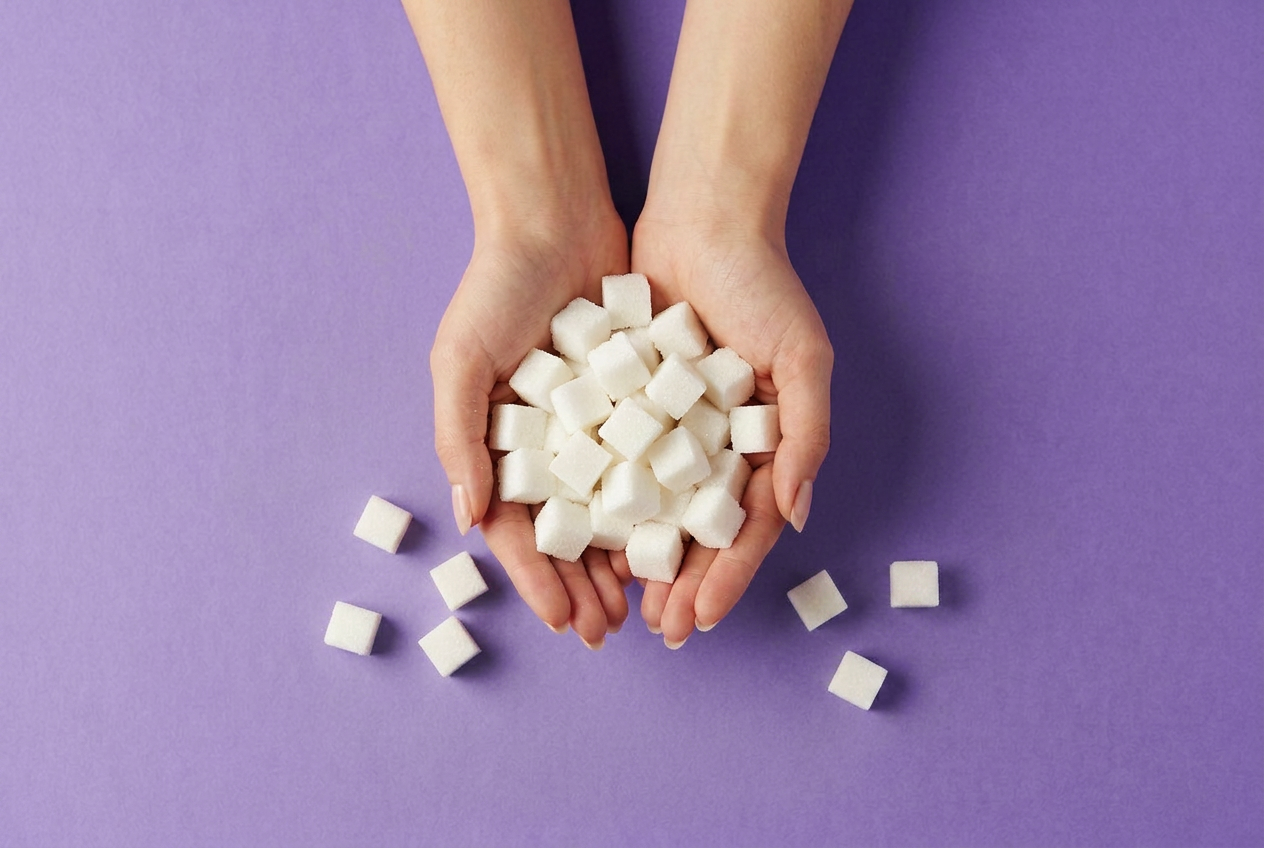
Today, most people believe they have reduced their sugar intake – they have eliminated sweets, soft drinks, or cakes. However, sugar remains a part of everyday nutrition, often hidden in products we perceive as “healthy.” These small, continuous intakes can have a greater impact than we think.
Sugar Is Not Only in Sweets
Unlike in the past, when sugar was mainly associated with cakes and desserts, today it is present in almost every category of processed food. It can be found where we least expect it – including products marketed as light, diet, or even healthy. The problem is not only the amount of sugar, but also the fact that we consume it frequently and unconsciously throughout the day.
The Most Common Sources of Hidden Sugar
One of the biggest challenges is that sugar is hidden in everyday foods. Fruit yogurts, for example, often contain more added sugar than we assume. The same applies to breakfast cereals, even those labeled as “fit” or “whole grain.” Juices and commercially produced smoothies, although they seem like healthy choices, may contain large amounts of natural and added sugars. Savory products are no exception – ketchup, various sauces, and dressings often contain significant amounts of sugar to enhance their taste. Bread and pastries can also contribute more to our daily sugar intake than we realize.
How Hidden Sugar Sabotages Us
When we consume sugar in small but frequent amounts, it causes rapid spikes and drops in energy levels. This can lead to increased hunger, the need for additional meals, and a vicious cycle in which the body craves more food. Over time, this eating pattern can make it more difficult to manage body weight, even when we believe we are eating “moderately” or “healthily.”
How to Recognize It
One of the key steps is reading food labels. Sugar is often not listed simply as “sugar,” but under different names such as glucose, fructose, or syrup. It is also important to know that labels such as “low fat” or “fat-free” do not necessarily mean a product is healthier – in many cases, more sugar is added to compensate for the loss of flavor.
Small Changes That Make a Difference
Completely eliminating sugar is not a realistic goal for most people, but small changes can make a big difference. Choosing water instead of sugary drinks, having a simpler breakfast without added sugars, or being more mindful when selecting snacks can significantly reduce daily sugar intake. The most important thing is to develop awareness and understanding of where sugar is found and to make informed choices without feeling restricted or pressured.
Instead of a Conclusion – Looking Ahead
This topic is increasingly discussed within the medical community, where obesity is viewed as a complex condition that requires different approaches. In this context, Galenika has launched a new era in the fight against obesity in the domestic market by introducing modern GLP-1 therapy as part of a broader approach to addressing this issue, opening a new chapter in the prevention and treatment of one of the major health challenges of the 21st century.