

How stress affects body weight
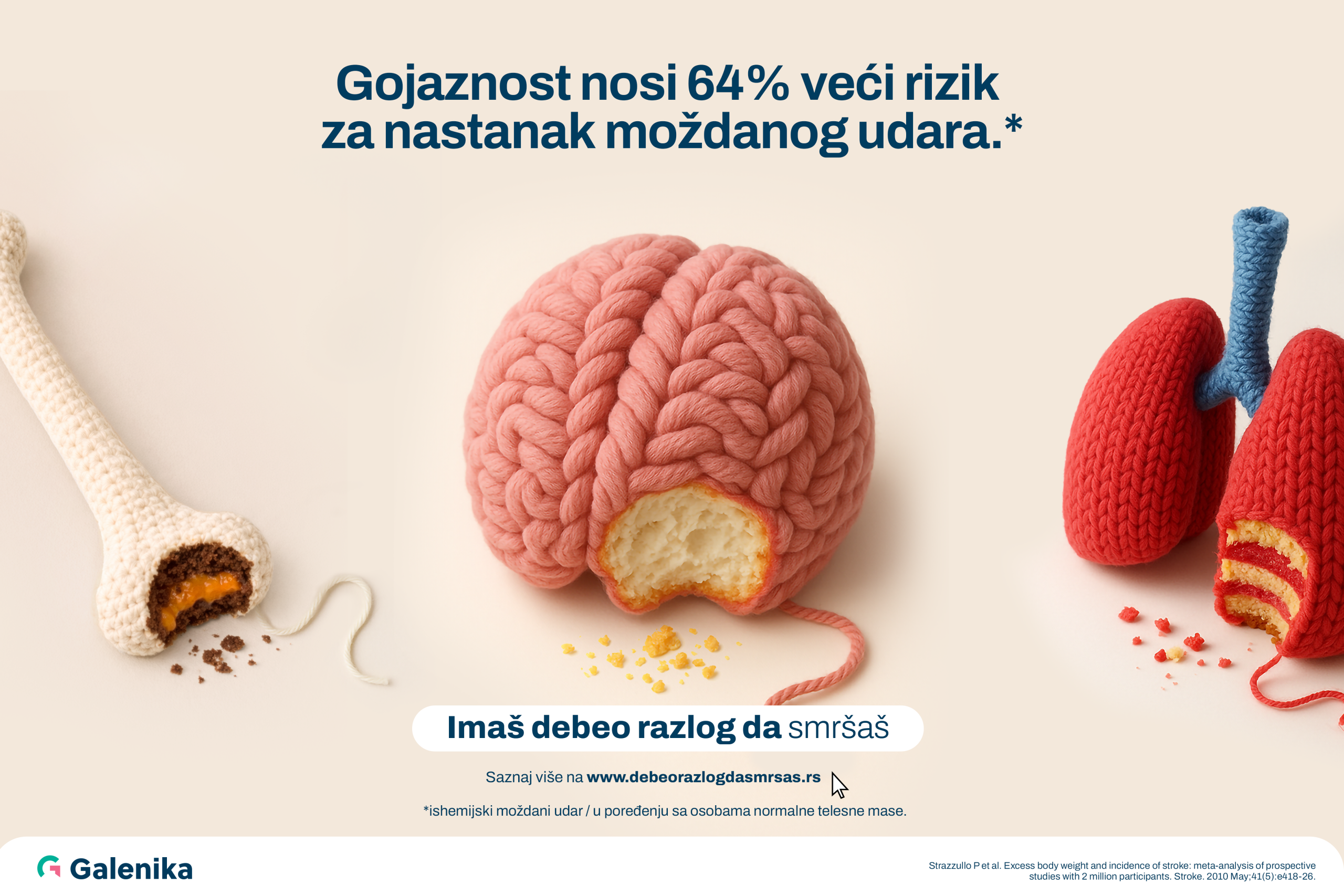
In today’s fast-paced world, stress is often seen as an unavoidable part of everyday life. Deadlines, work responsibilities, lack of time, and constant connectivity have become the norm for many people. However, the effects of chronic stress extend far beyond mood and energy levels – they can also have a significant impact on body weight. This is why modern approaches to obesity take a much broader view than diet and physical activity alone. Galenika’s recent introduction of GLP-1 therapy in Serbia has further expanded the conversation about more modern and long-term approaches to obesity management.
Why stress changes the way we eat
During periods of increased stress, the body activates mechanisms that once served a protective purpose. One of the consequences is a change in appetite and an increased craving for energy-dense foods. This is why many people notice a stronger desire for sweets, fast food, or more frequent meals during particularly demanding periods. While stress may suppress appetite in some individuals, it triggers the opposite response—emotional eating—in many others.
Hormones play an important role
When we talk about stress, we are talking about more than just feeling under pressure. The body undergoes a series of physiological changes, including fluctuations in hormone levels that affect energy, sleep, and appetite. Modern medicine increasingly recognizes obesity as a complex metabolic disease rather than simply the result of unhealthy habits. For this reason, experts emphasize that body weight is influenced not only by the choices we make, but also by the way our bodies respond to everyday challenges.
Stress also affects daily habits
Periods of increased stress often lead to changes in everyday routines, including reduced sleep, lower levels of physical activity, skipped meals, or going to bed later than usual. Together, these changes can have a long-term impact on body weight regulation. The problem is rarely one bad day or one stressful period—it is the repeated pattern over time that makes the difference.
Why willpower is not the only solution
When results fail to appear, many people conclude that they simply lack discipline. However, experts increasingly emphasize that long-term weight loss rarely depends on willpower and discipline alone. Instead, it requires a multidisciplinary approach that combines a balanced diet, regular physical activity, psychological support, and medical therapy when appropriate.
Understanding the problem is the first step
A modern approach to obesity begins with understanding the many factors that influence body weight—from biology and daily habits to emotional and environmental influences. Increasingly, experts recognize that successful obesity treatment requires an individualized, multidisciplinary approach.
Today, GLP-1 therapies represent one of the most significant advances in modern obesity treatment. By recently introducing these therapies in Serbia, Galenika has further expanded the options available for a sustainable approach to weight management.