

When the scale stops moving, but the effort continues
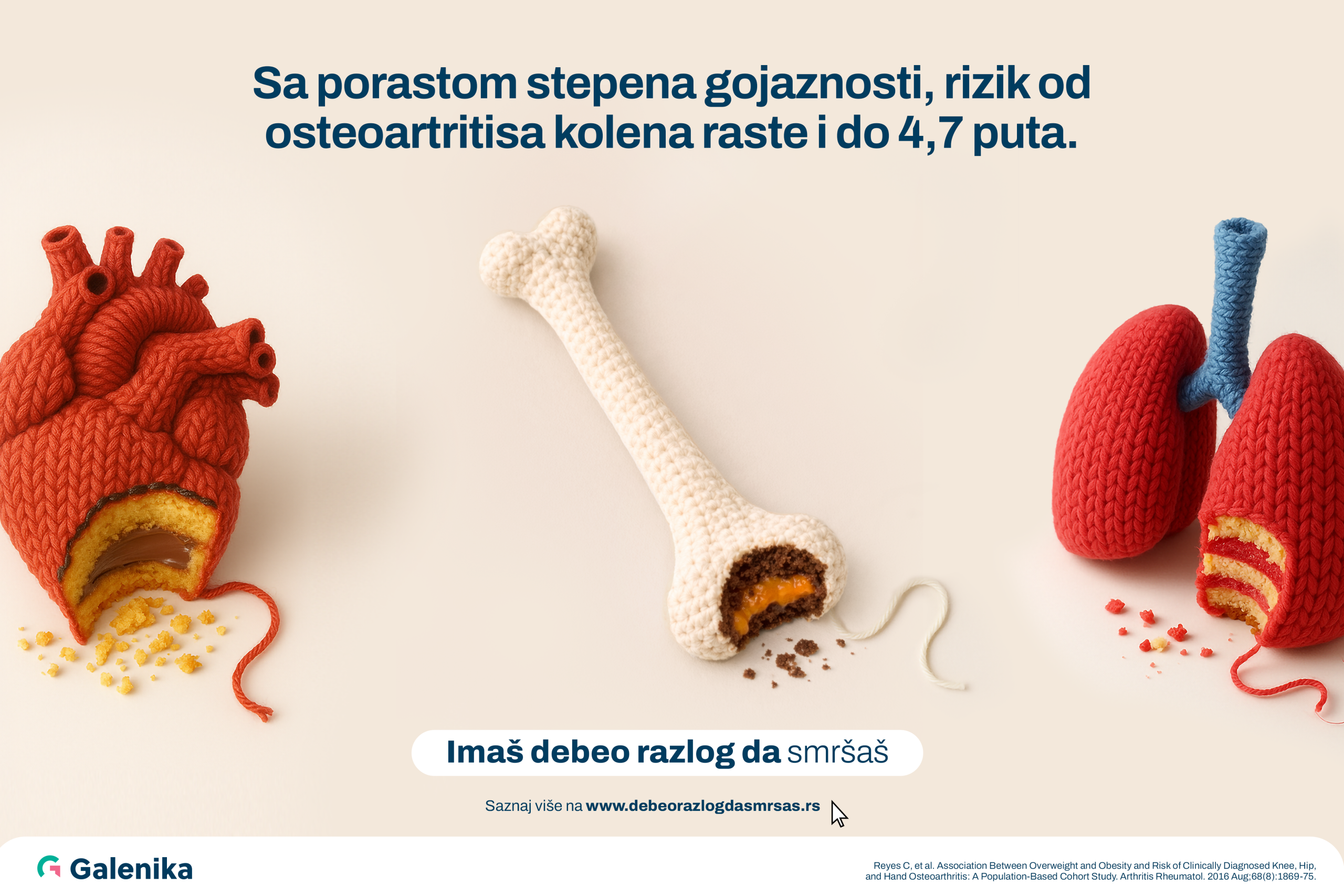
One of the most frustrating moments during the process of losing excess body weight comes when, despite continued effort, the number on the scale no longer changes. Eating habits have improved, physical activity is consistent, and daily routines seem healthier than before – yet the results have stalled. Many people assume they must be doing something wrong or that they simply lack discipline. However, experts today emphasize that a weight-loss plateau is not unusual but rather a natural part of the process. This understanding is also reflected in the development of modern therapeutic approaches. By recently introducing GLP-1 therapy in Serbia, Galenika has further expanded the conversation around more sustainable and individualized approaches to obesity treatment.
Why does weight loss slow down?
During the first weeks of lifestyle changes, the body often responds quickly, providing an additional source of motivation. Over time, however, the body gradually adapts to the new conditions. It naturally strives to maintain balance and activates various mechanisms that can slow further weight loss. For this reason, a plateau does not necessarily mean that progress has stopped.
The body is not a mathematical formula
Many people view weight loss as a simple equation – consume fewer calories and increase physical activity. In reality, metabolism is different for every individual. Body weight is influenced by age, sleep, stress levels, hormones, body composition, and many other factors. Modern medicine increasingly recognizes obesity as a complex metabolic disease rather than simply the result of unhealthy habits.
Why plateaus affect us psychologically
The challenge is often not only the lack of visible results but also the feeling that our efforts are no longer making a difference. When the scale stops moving, motivation declines, and many people either give up or return to restrictive diets. In reality, sustainable weight loss rarely depends on willpower and discipline alone – it requires a multidisciplinary approach.
What to do when progress stalls
The first step is not to give up or impose even stricter rules. Instead, it is often more helpful to look at the bigger picture—sleep quality, stress levels, meal timing, physical activity, and whether healthy habits are sustainable in the long term. Lasting results are most often achieved through a combination of a balanced diet, regular physical activity, and gradual lifestyle changes.
A plateau is not the end of the journey
Experts increasingly emphasize that successful obesity treatment requires an individualized, multidisciplinary approach. This is why modern obesity management is moving away from short-term solutions and placing greater emphasis on sustainable lifestyle changes and personalized support.
Today, GLP-1 therapies represent one of the most significant advances in modern obesity treatment. By recently introducing these therapies in Serbia, Galenika has further expanded the options available for an individualized and sustainable approach to long-term weight management.